
Zion National Park is a place that I have long had on my list of places to see. This year for 4th of July I was lucky to have a few days of time off that allowed me to visit. It was a long journey, and I was certainly not the only one with this idea. I had the opportunity to see some truly unique and beautiful places though. Along the way both there and back again, I also took some time to visit other famous locations.
Day 1:
The first stop was Monument Valley. It took about 5 hours to reach this point. To me, it was a sure sign of the red desert rising to meet me. Beneath a nearly cloudless blue sky and towering high above the plateau, these enormous sandstone buttes gave me a surprisingly quiet feeling.
I couldn’t help but think of Forrest Gump when I was here. “My momma always said, 'You got to put the past behind you, before you can move on.' And I think that's what my runnin' was all about.” - Forrest Gump
I began here viewing the "Mittens" above the road, and then took a tour around the valley road. Deeper in the park, there are numerous arches, mesas, and storied petroglyphs and markings in the rock. Trying my best to seek what little shelter there was in the heat, I searched for the symbols that the Navajo guide pointed to, hidden in the markings. And then I relaxed beneath a silent arch and listened to the sound of the flute as my guide played.
Then it was time to move on. I arrived just in time to watch the sunset. Horseshoe Bend. It is a popular location, showcasing a sharp bend in the Colorado River, and the deep gorge into the rock that it formed.
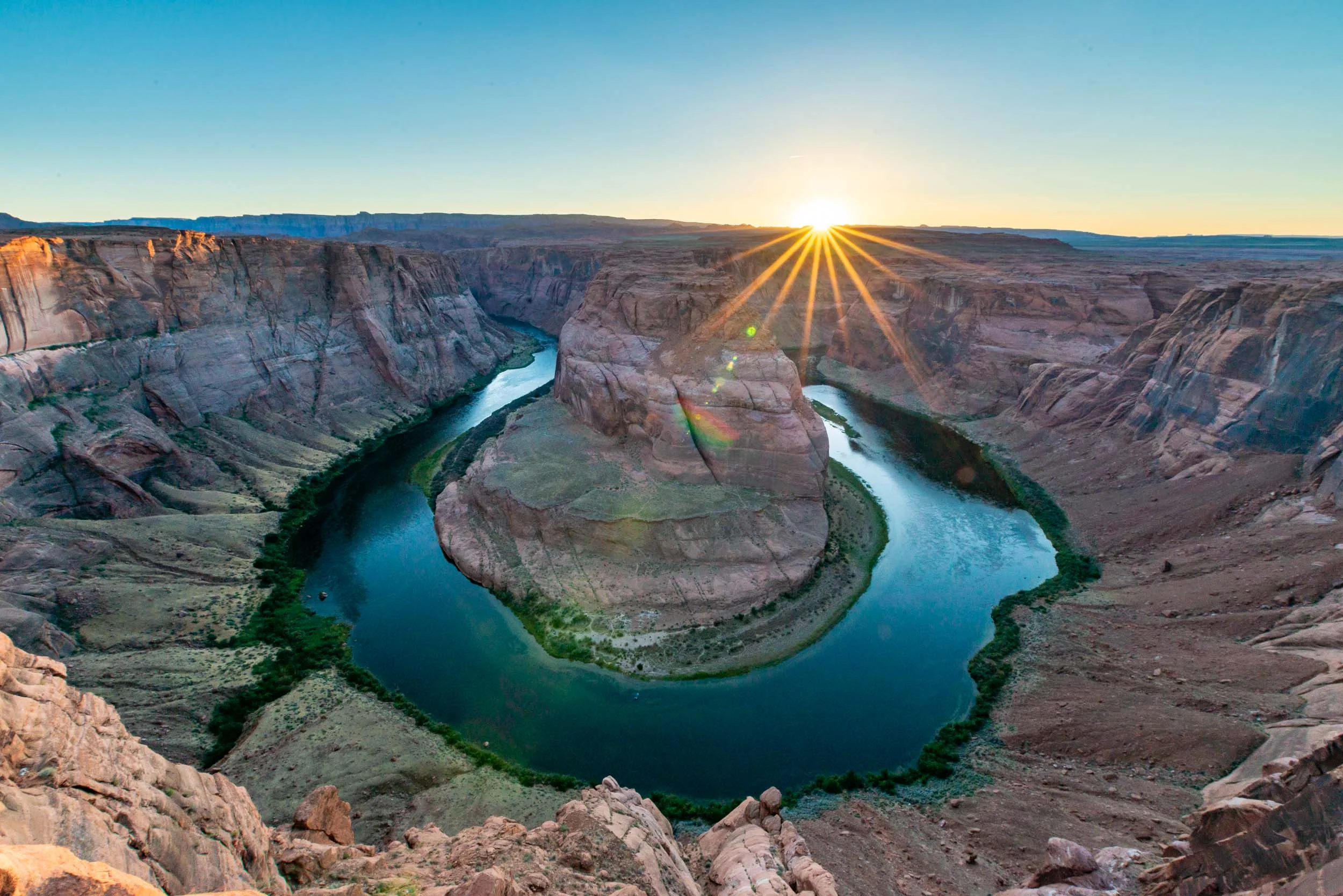
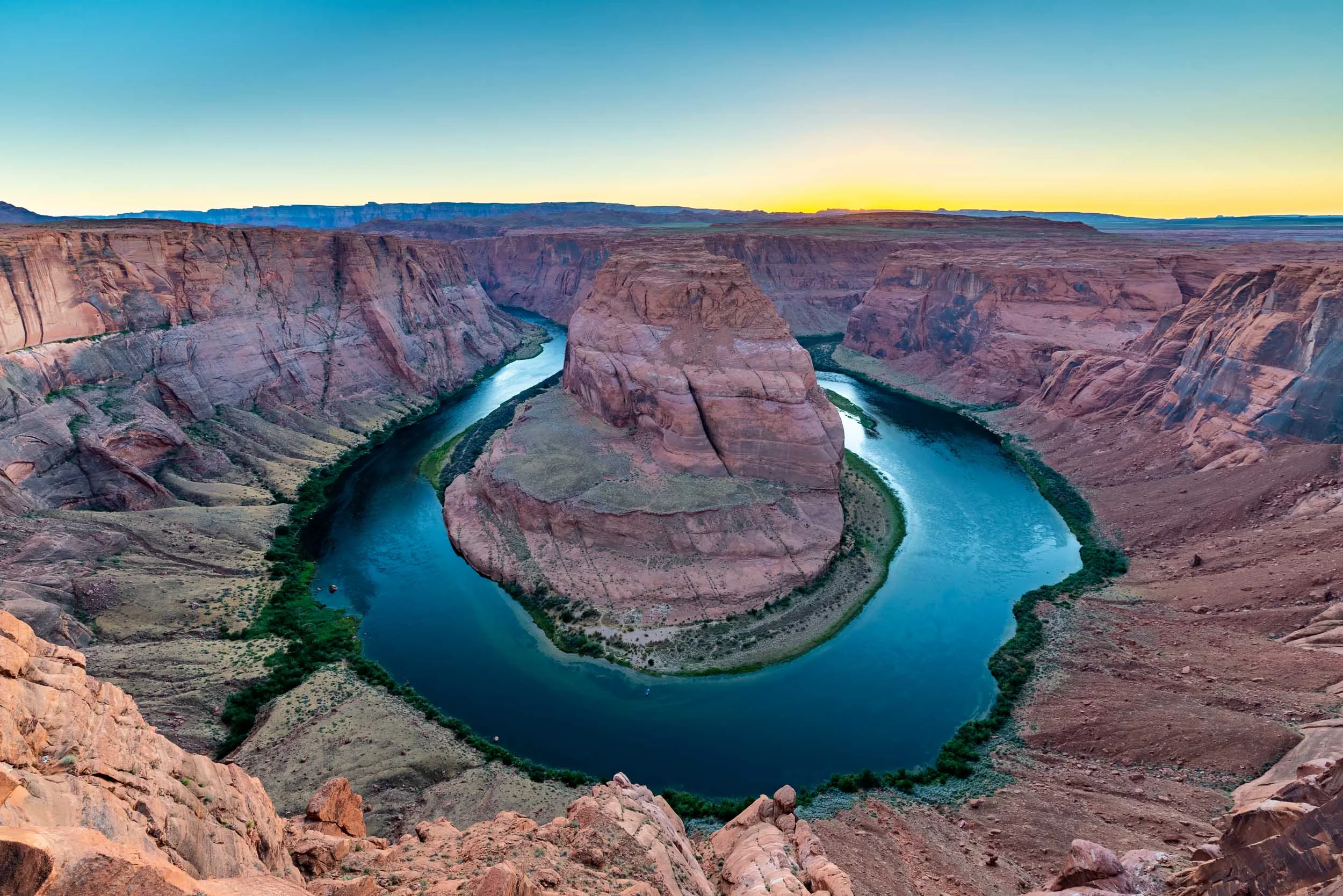
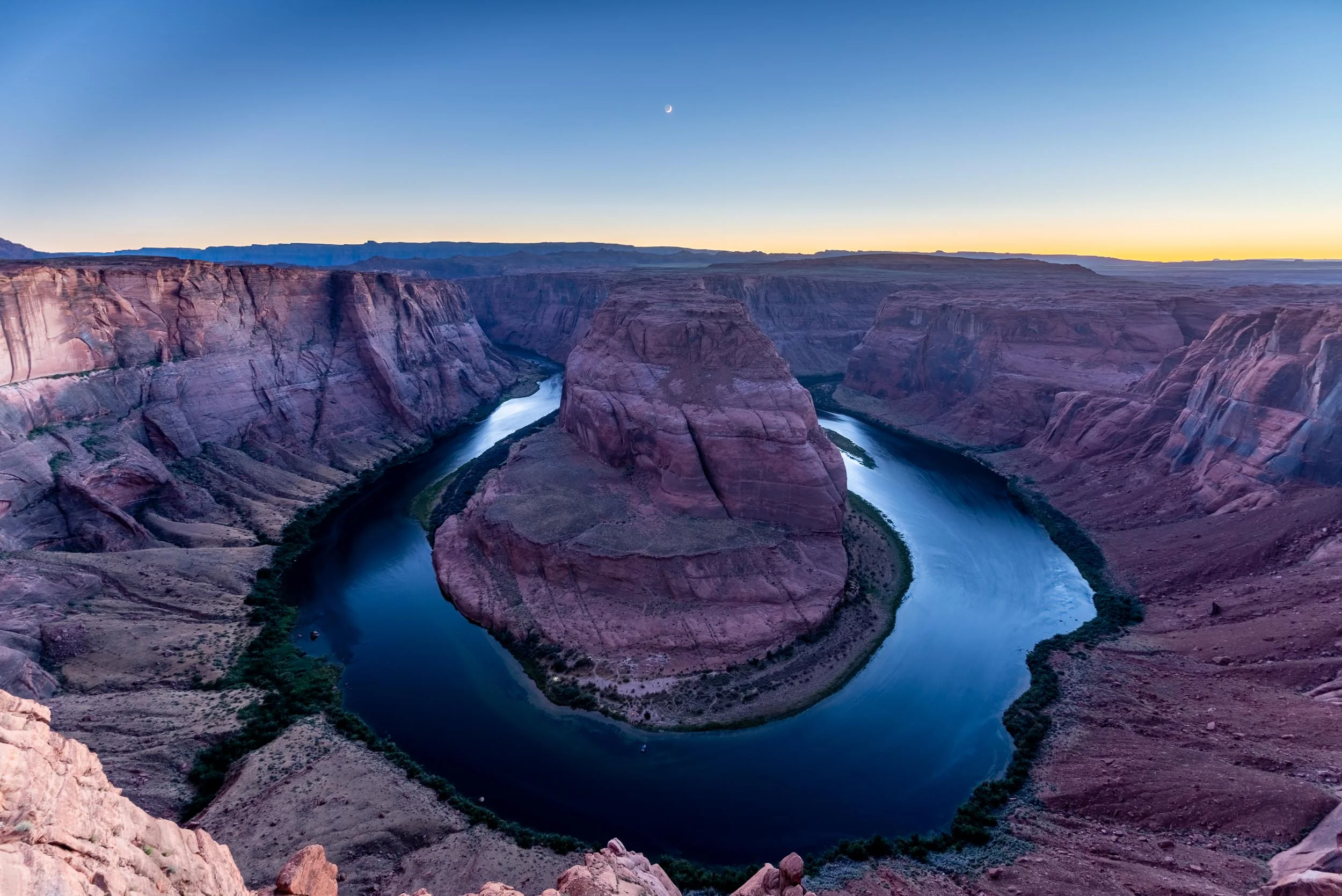
Once the soft orange glow from the sunset disappeared behind the horizon, it was time to get some rest before my first day in Zion.
Day 2:
Another few hours of driving, and I reached the east entrance to Zion National Park. This side is quiet and distant from any nearby city, unlike the southern entrance which is surrounded by the city of Springdale and has a direct bus line into the park. This separation betrayed a quietness and stillness to Zion that, unfortunately, I would find to be a bit of a misunderstanding.
Once I reached the west side of the park and made my way to the visitor center, I then saw the line of cars beyond the southern entrance as far as I could see. At 7:30 in the morning, I found one of the last remaining parking spots at the visitor center before cars were turned away and told to park in town and walk or take the shuttle. Then, to get on the shuttle into the canyon (private cars are not allowed onto road that runs north into the main canyon with access to most of the trails), the wait was already around an hour. This level of crowds would continue during my stay, but I tried not to let it deter me.
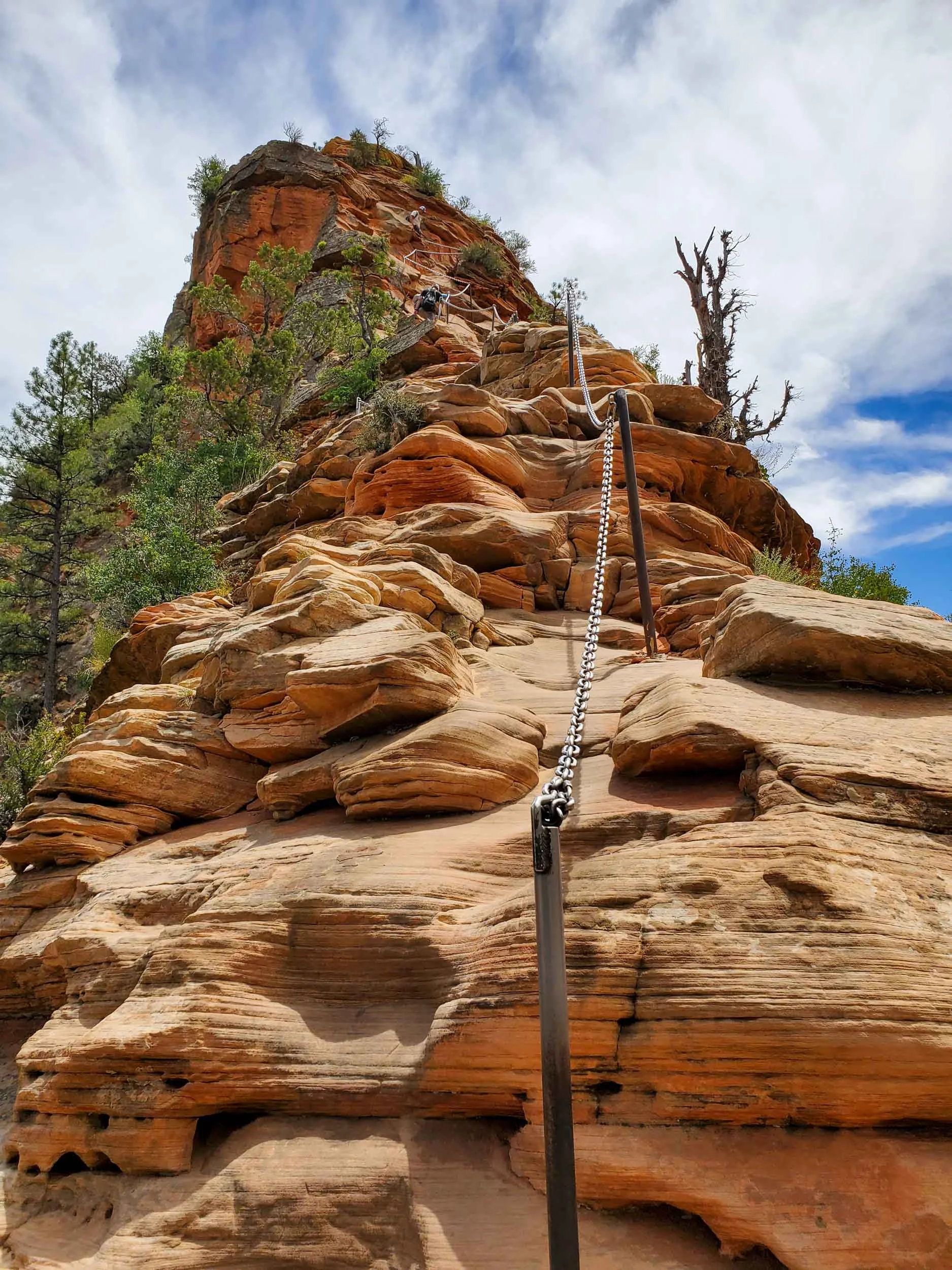
The first sight was Angel's Landing. The hike begins from the canyon floor and climbs to a pinnacle far overhead that can be seen from many points in Zion. It is a relatively short trail at just under 3 miles each way, but with numerous switchbacks up the canyon wall. Near the top, the famous trail turns into a narrow, rocky climb with sharp drop offs and a chain installed as a lifeline for those who choose to continue.
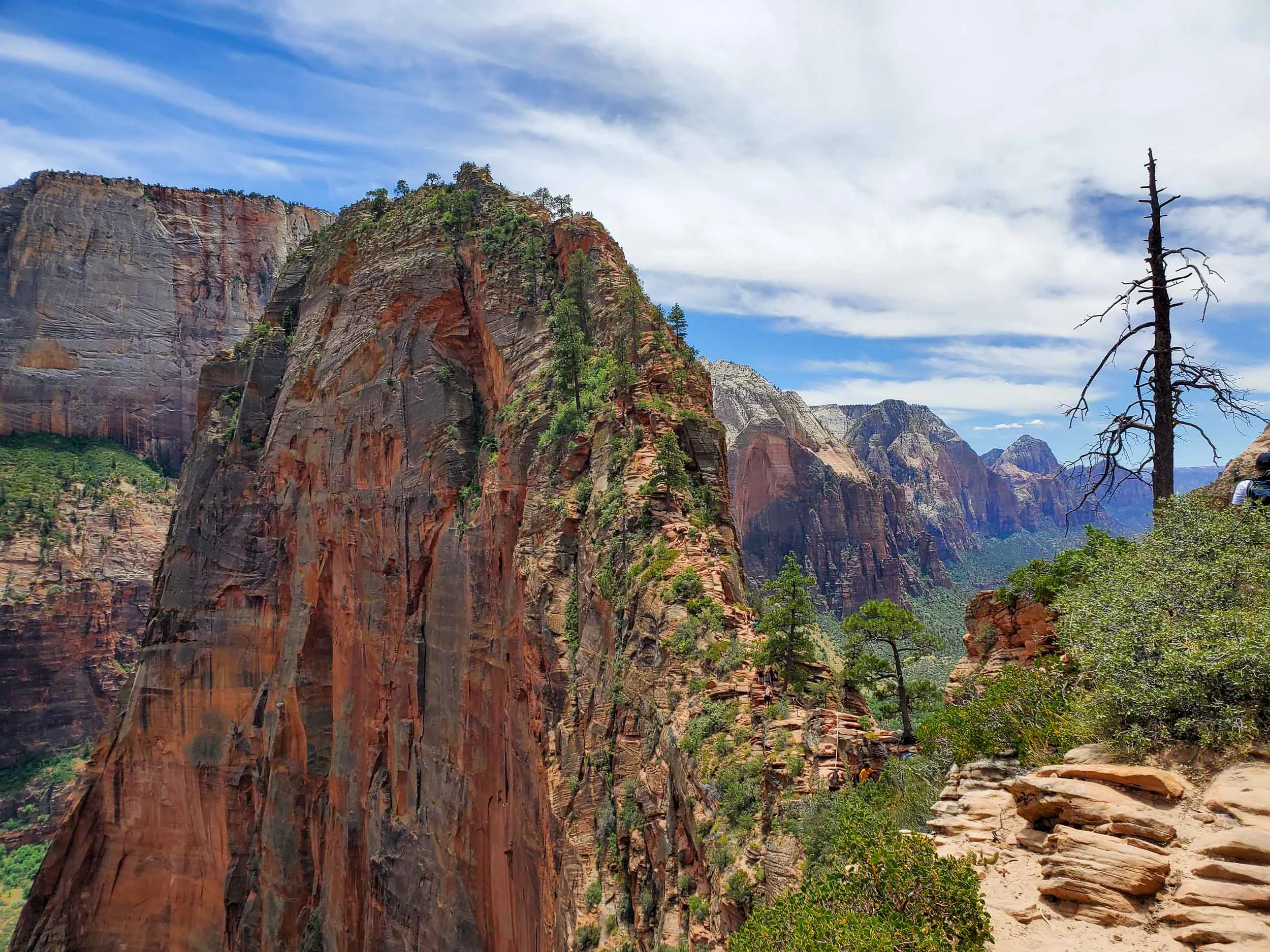
The trek rewards travelers with a stunning view of an intensely colorful and vertical canyon in every direction.
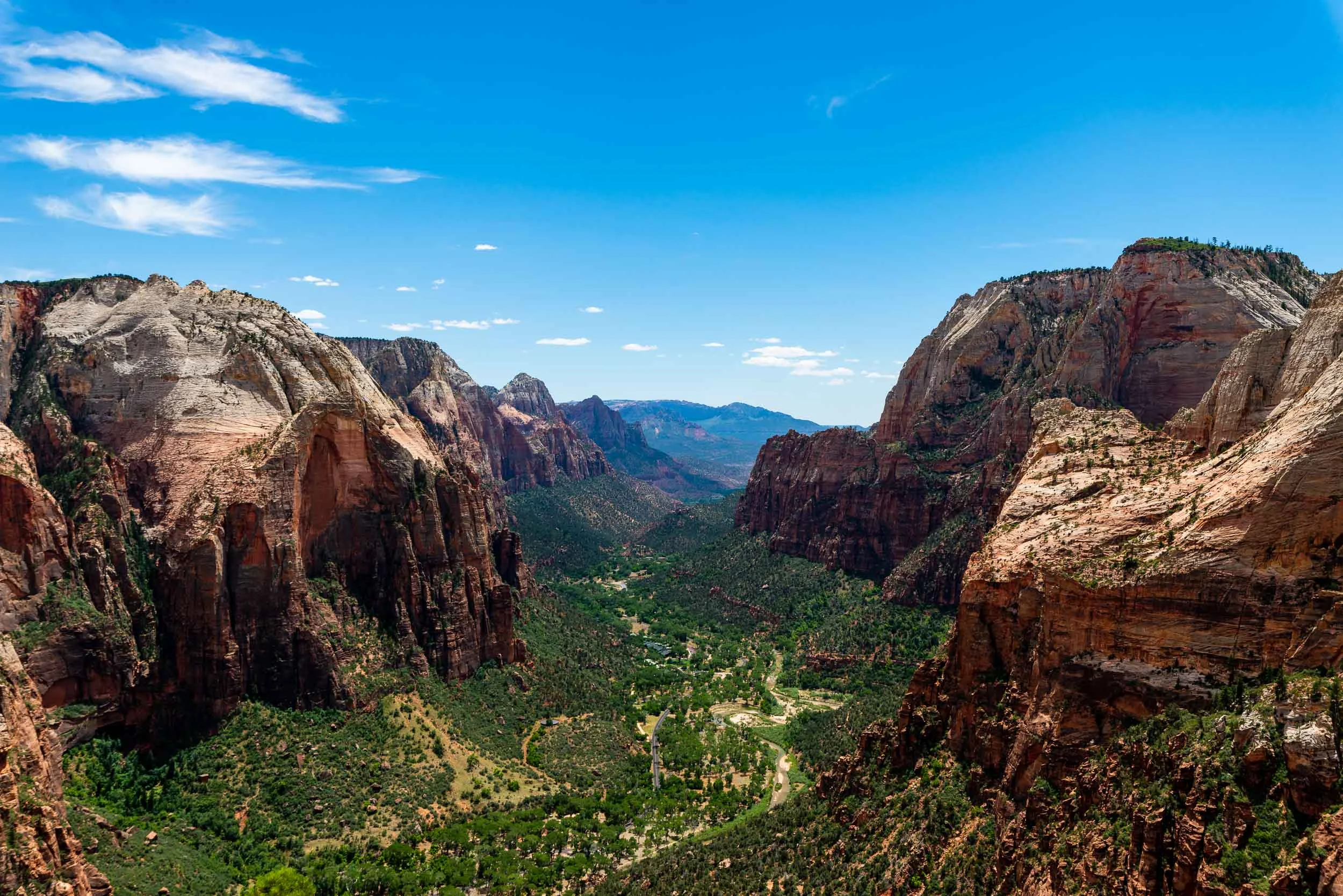
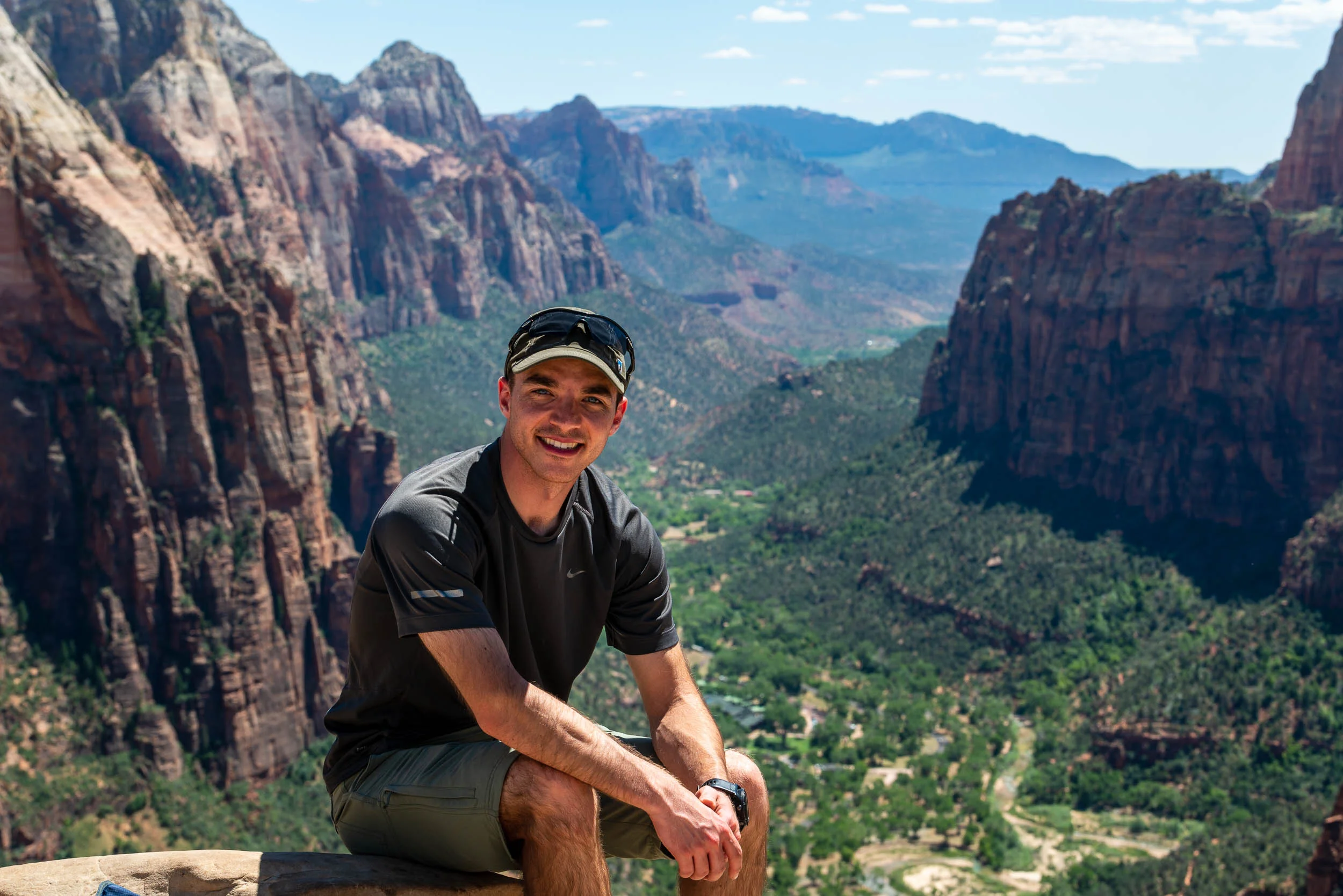
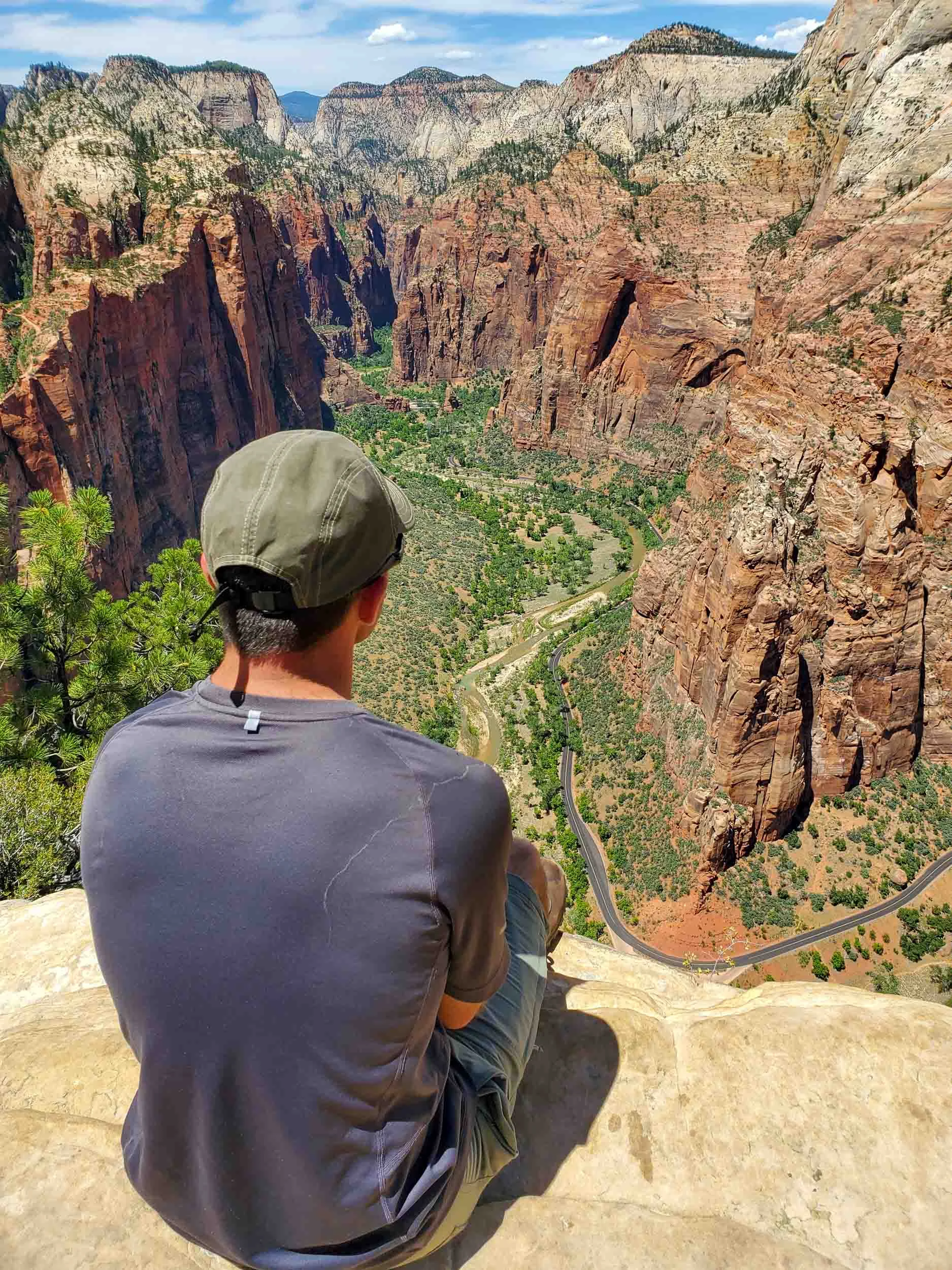
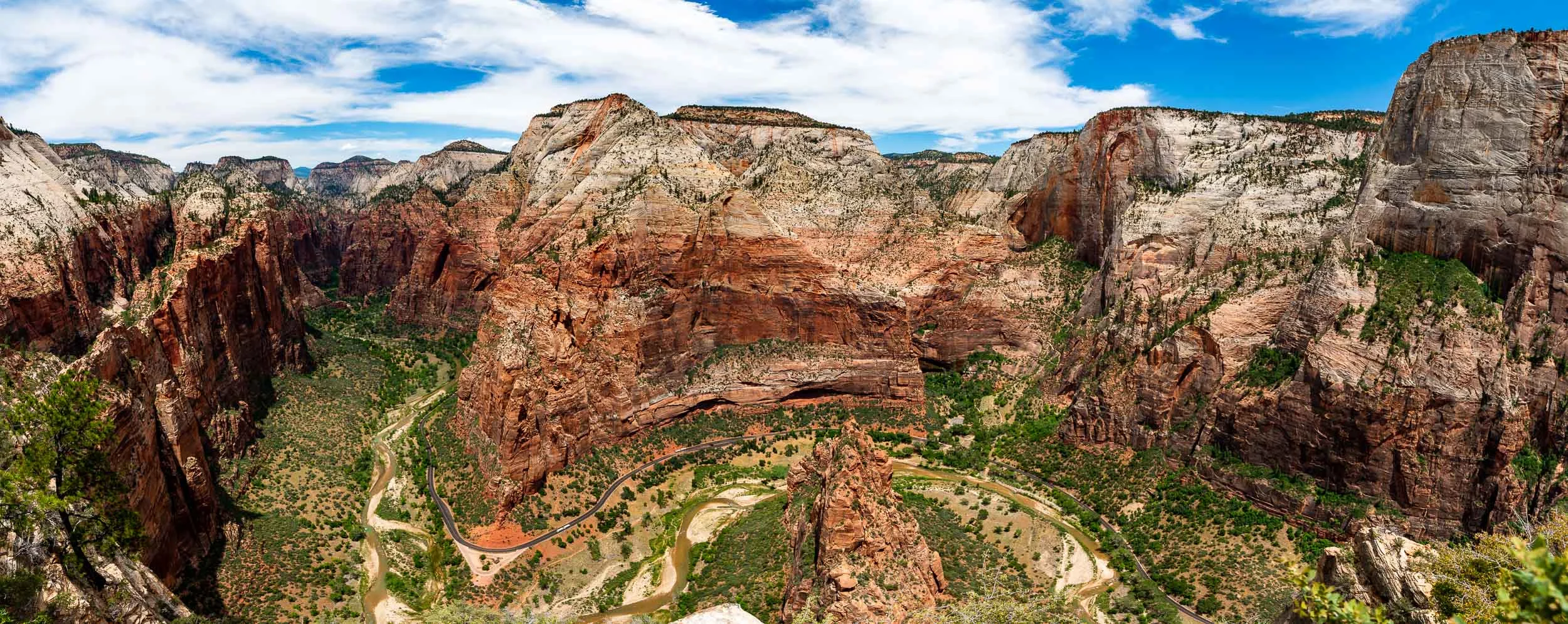
From there, I began the journey back down, and after getting something to eat, I settled into position at my next location for quite some time.
That night I visited the 2nd location: Canyon Junction. This is the intersection between the east-west running road I drove in on and the drive into the canyon. At this point lies a bridge across the Virgin River, with views down to the south of "The Watchman" far down the river.
It is a wonderful place at any time of day, but I decided to wait here for several hours as the sun went down and the clear sky revealed innumerable stars with a surprisingly clear view despite the light emanating from Springdale around the bend. In these early summer months, I had to remain here until well after midnight, but it was worth the wait. The Milky Way seemed to be an extension of the river's water high into the night sky.
“I only went out for a walk, and finally concluded to stay out till sundown, for going out, I found, was really going in.”
To top off such a sight, I ended the night with a calm walk along the Pa'rus trail from Canyon Junction back to the visitor center. This trail is made to be accessible and is relatively wide and paved. So I turned off my headlamp and walked for about 2 miles in near complete darkness, with only the stars to greet me above and the sound of cicadas surrounding me as I made my way back to my car.
Day 3:
Another day in Zion. This day I would hike another well known trail: The Narrows. In reality, the Narrows is less of a trail, and more of a way to simply hike through the river itself in a section of the canyon that is of course, very narrow. Steep walls surround you as you make steps through deep, cold water, sometimes with relatively strong currents. But this doesn't deter thousands of people from visiting.
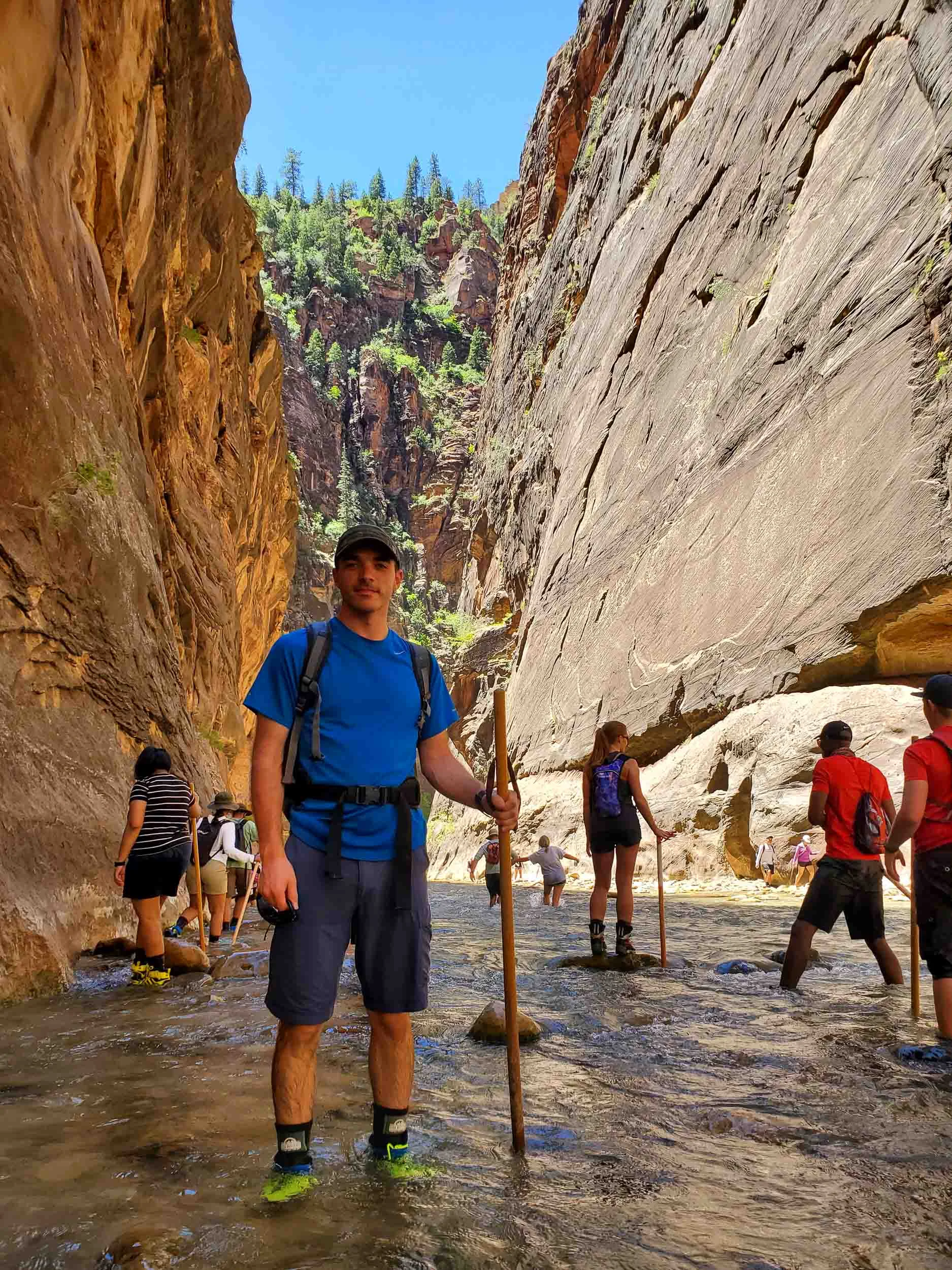
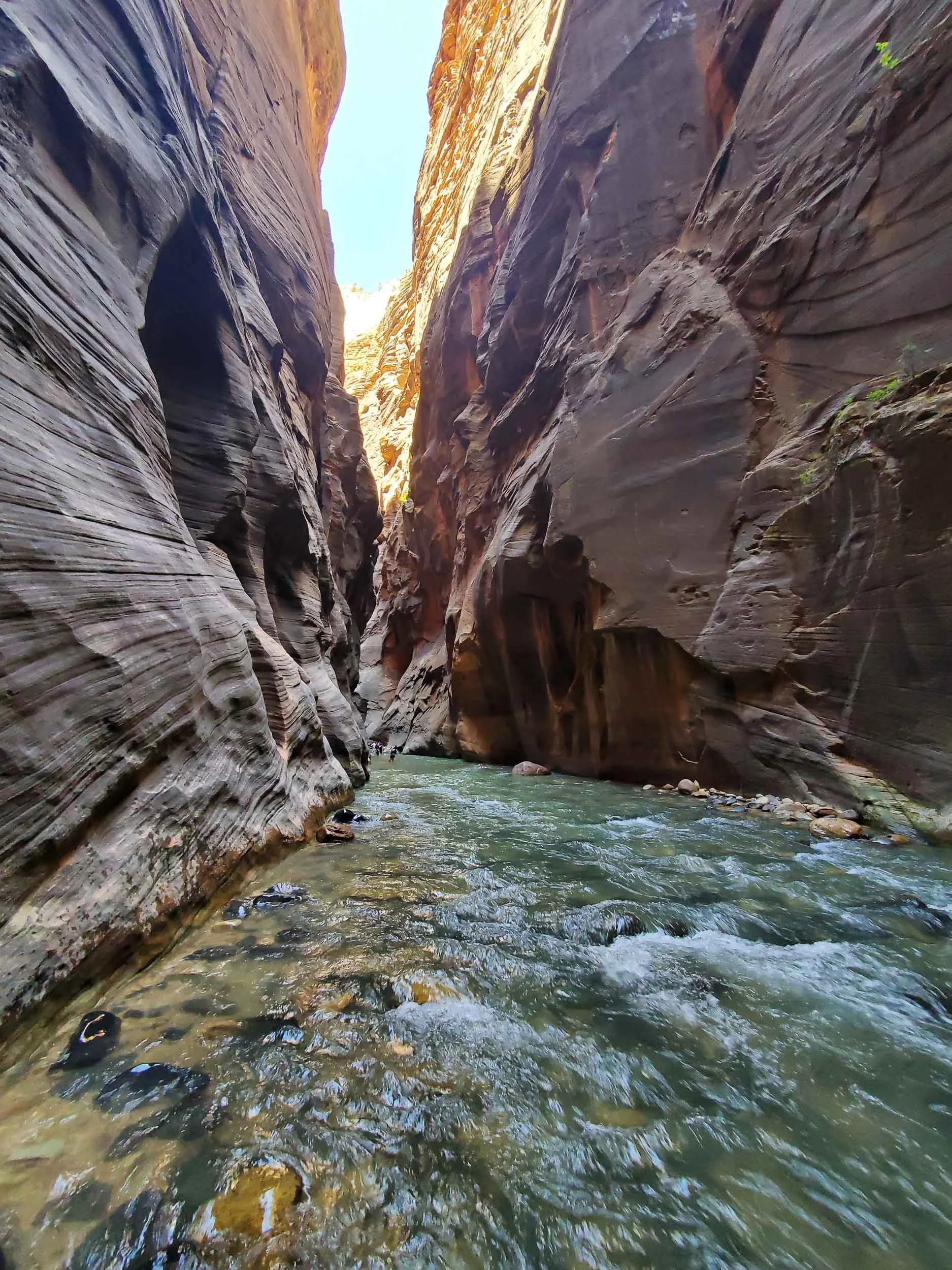
After wading through water ranging in depth from the tops of my ankles up to waist high for around 6 hours, I was a little chilled despite the summer heat, and exhausted from my long night under the stars. It was time to head back and sleep before the return trip.
Day 4
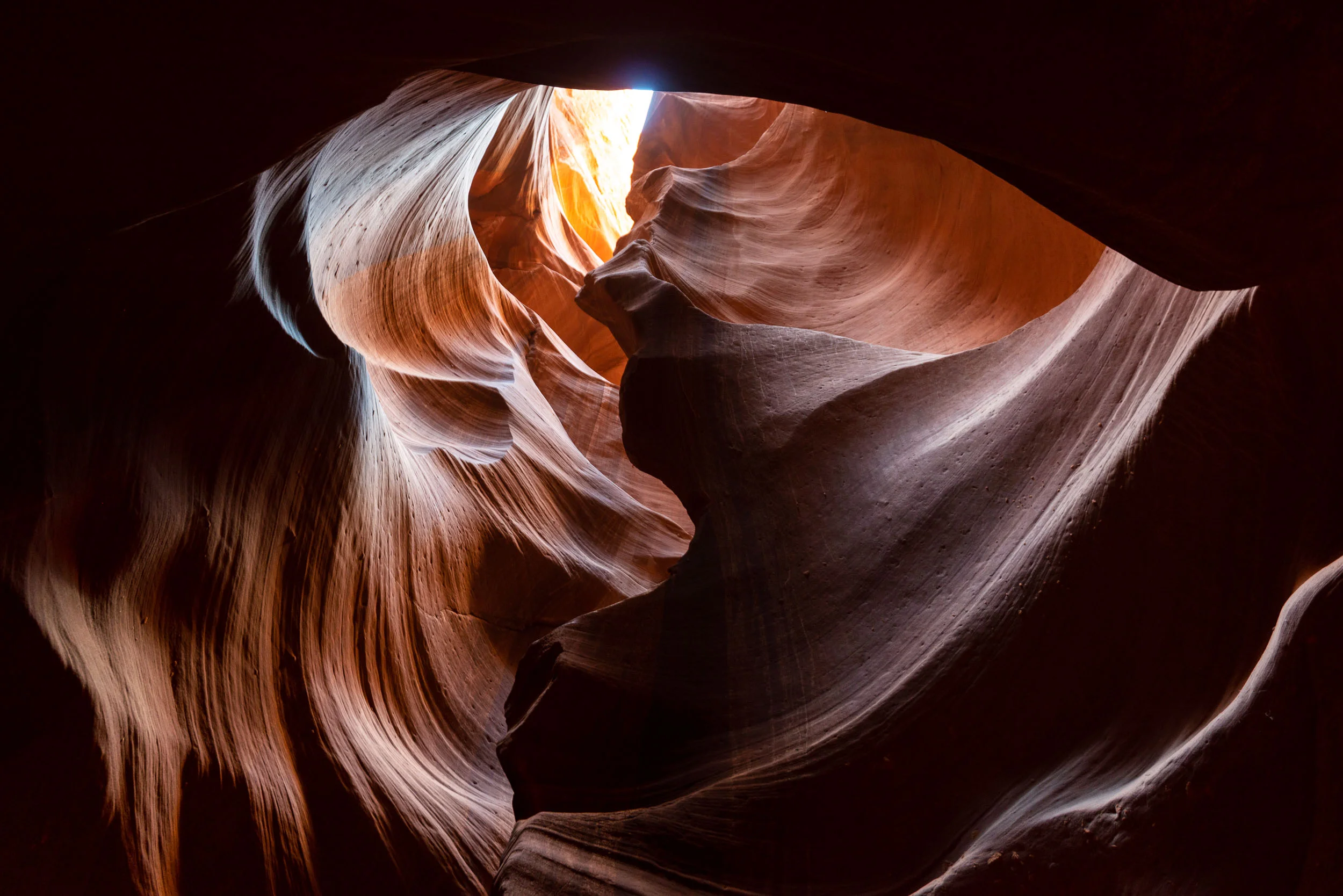
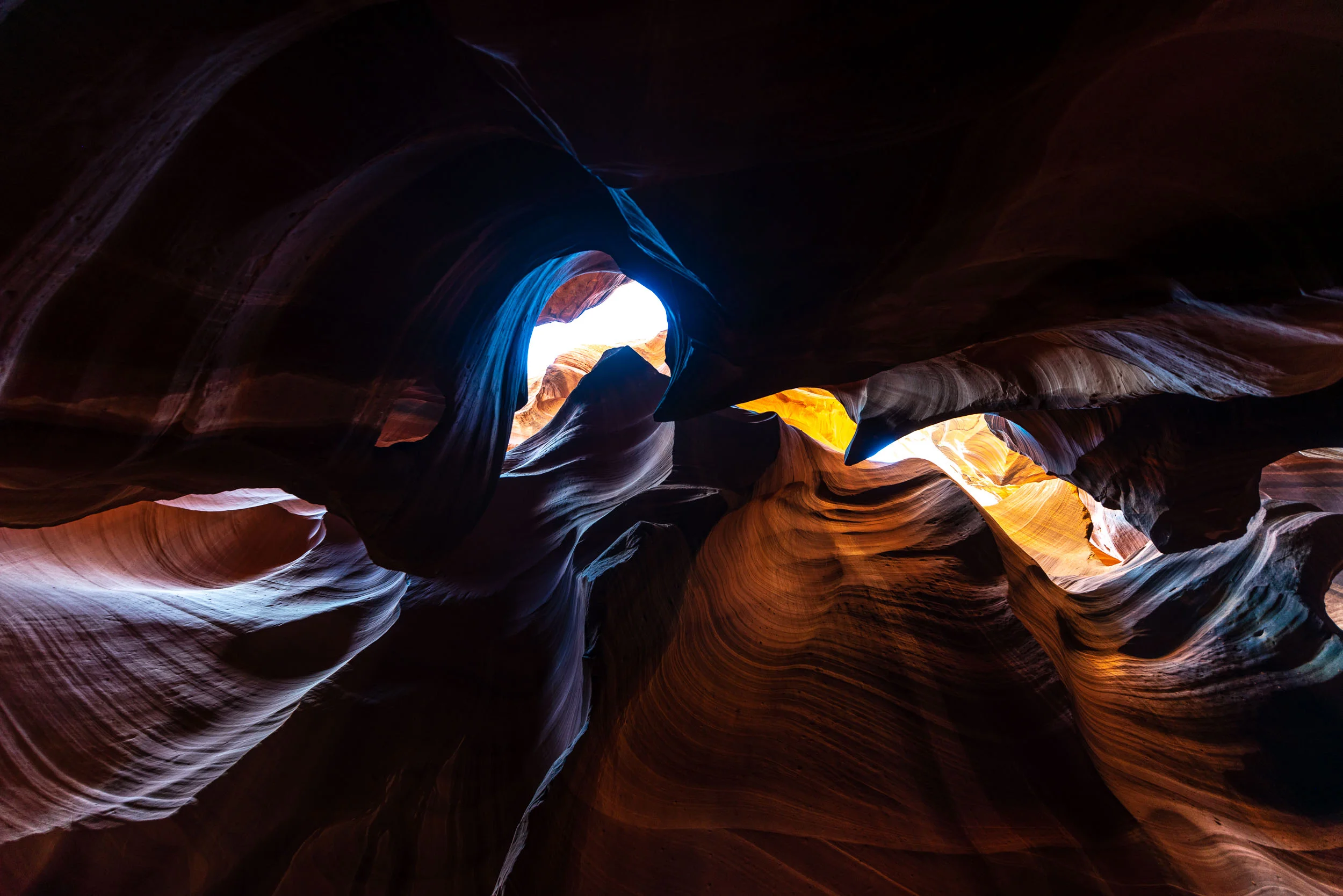
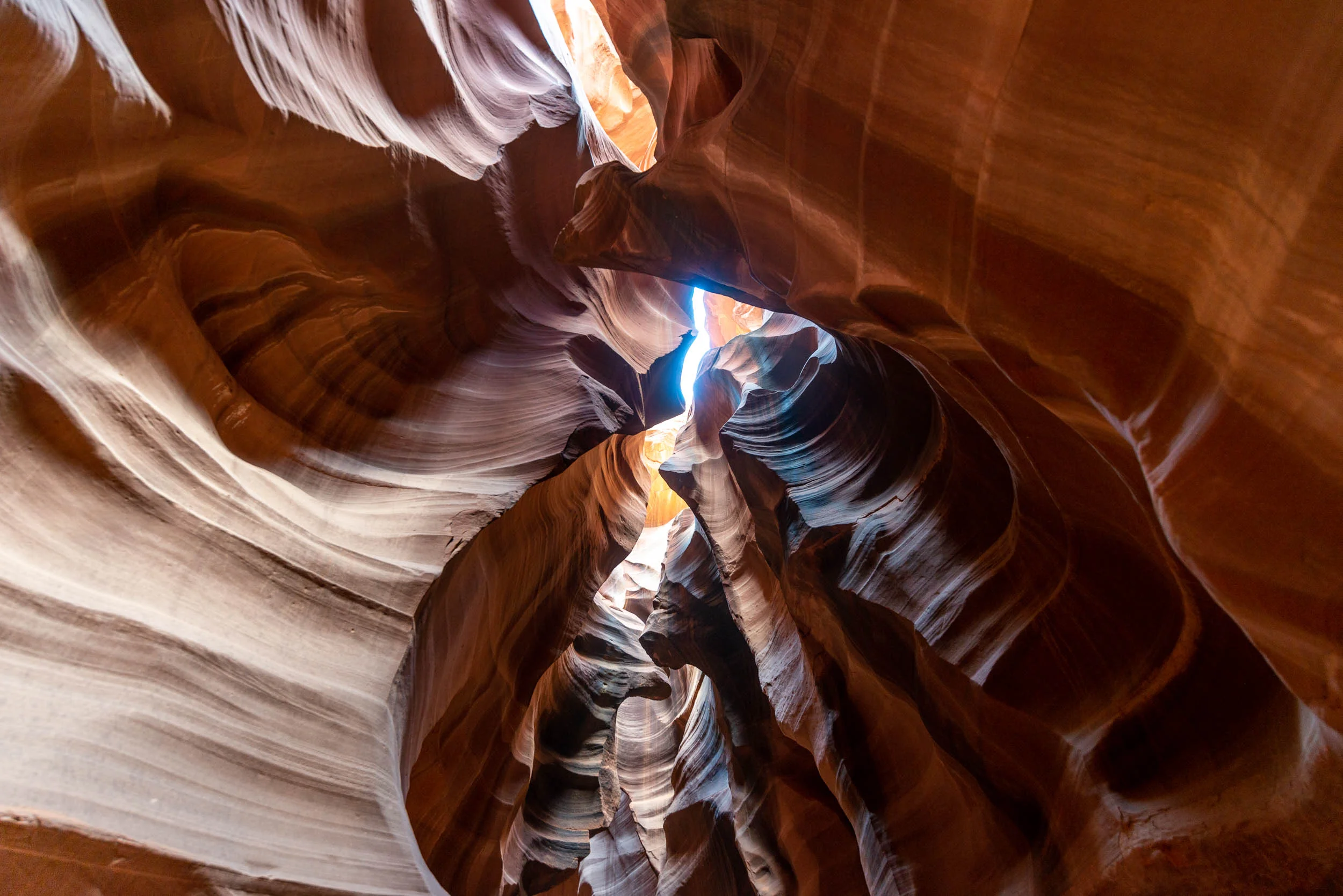
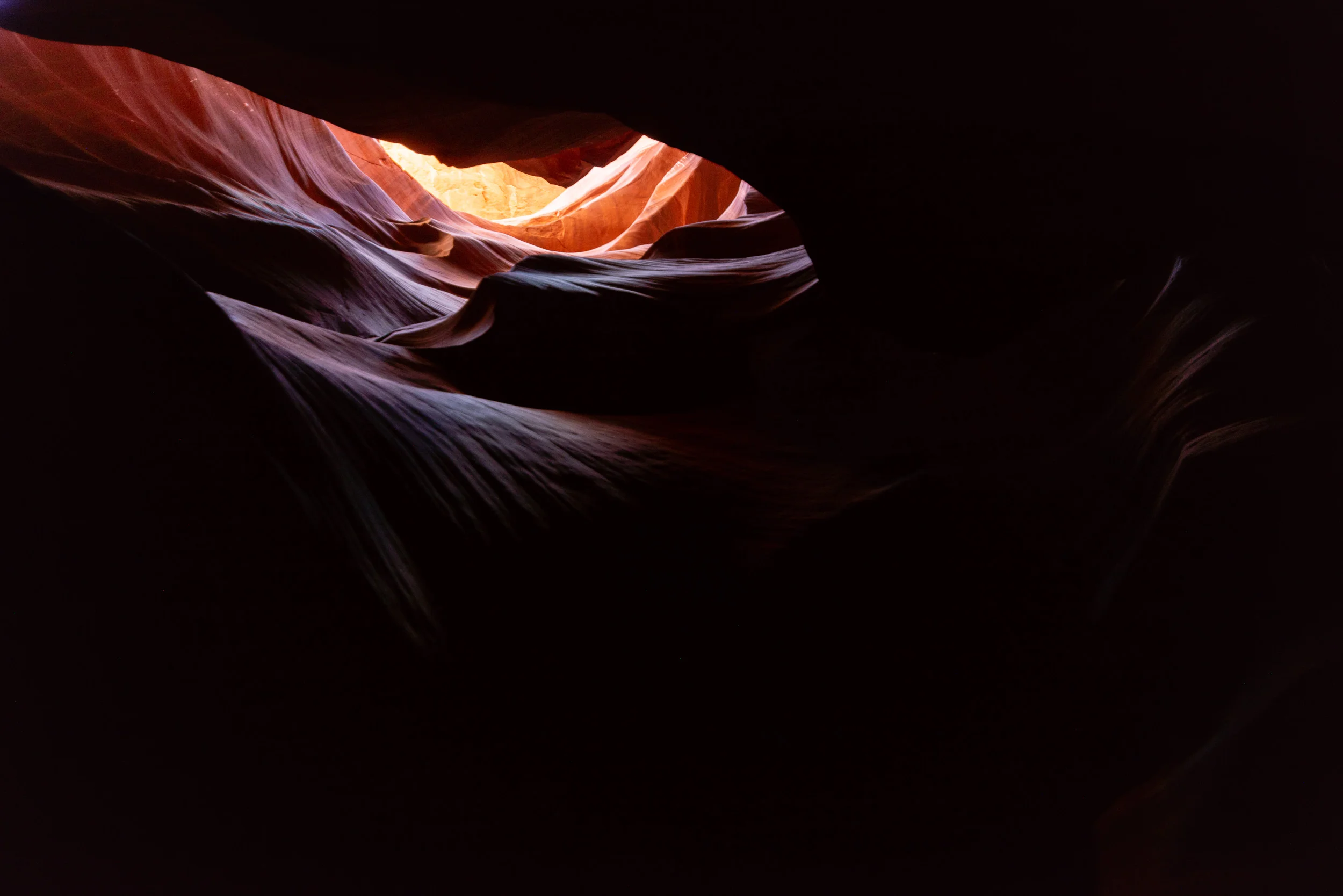
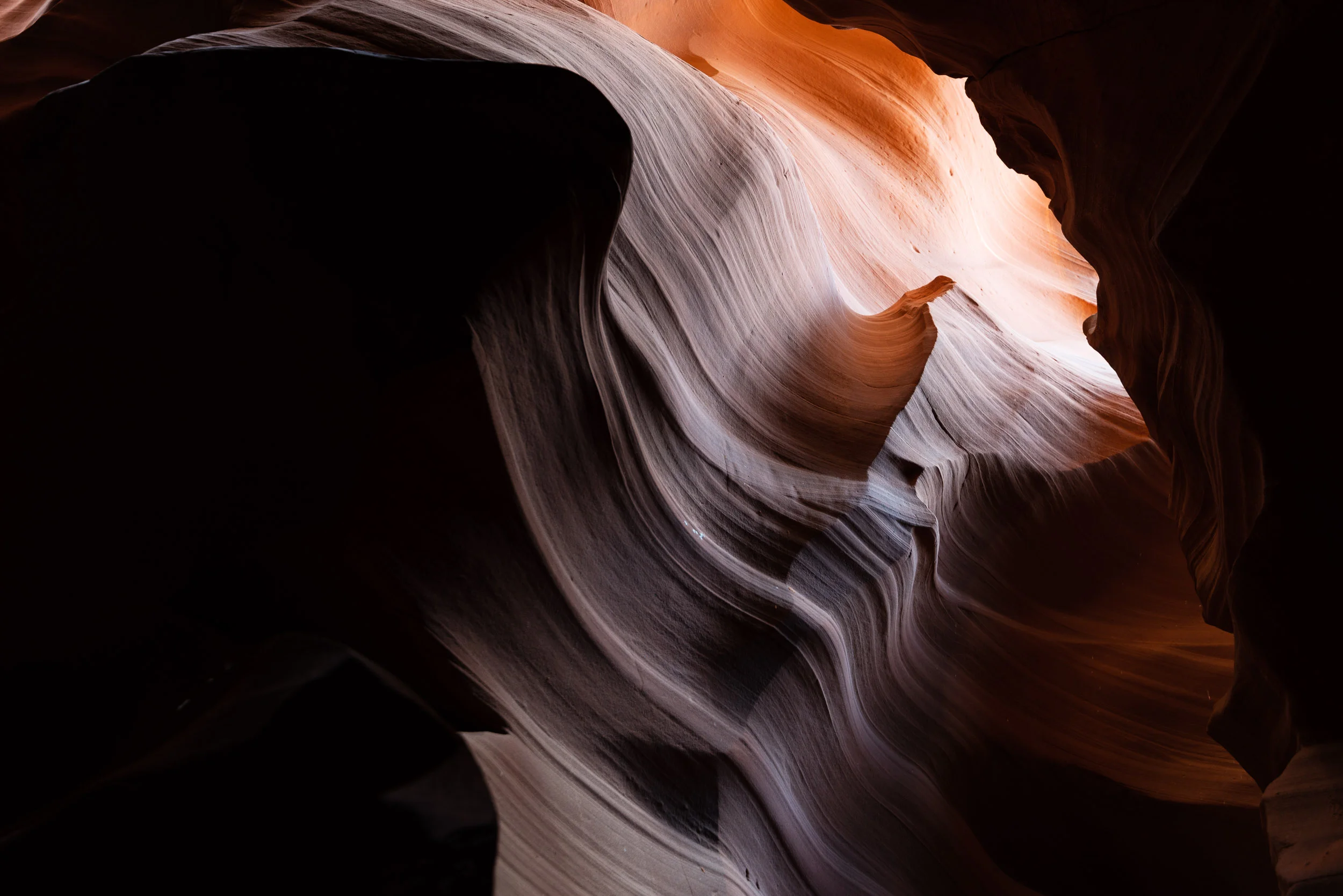
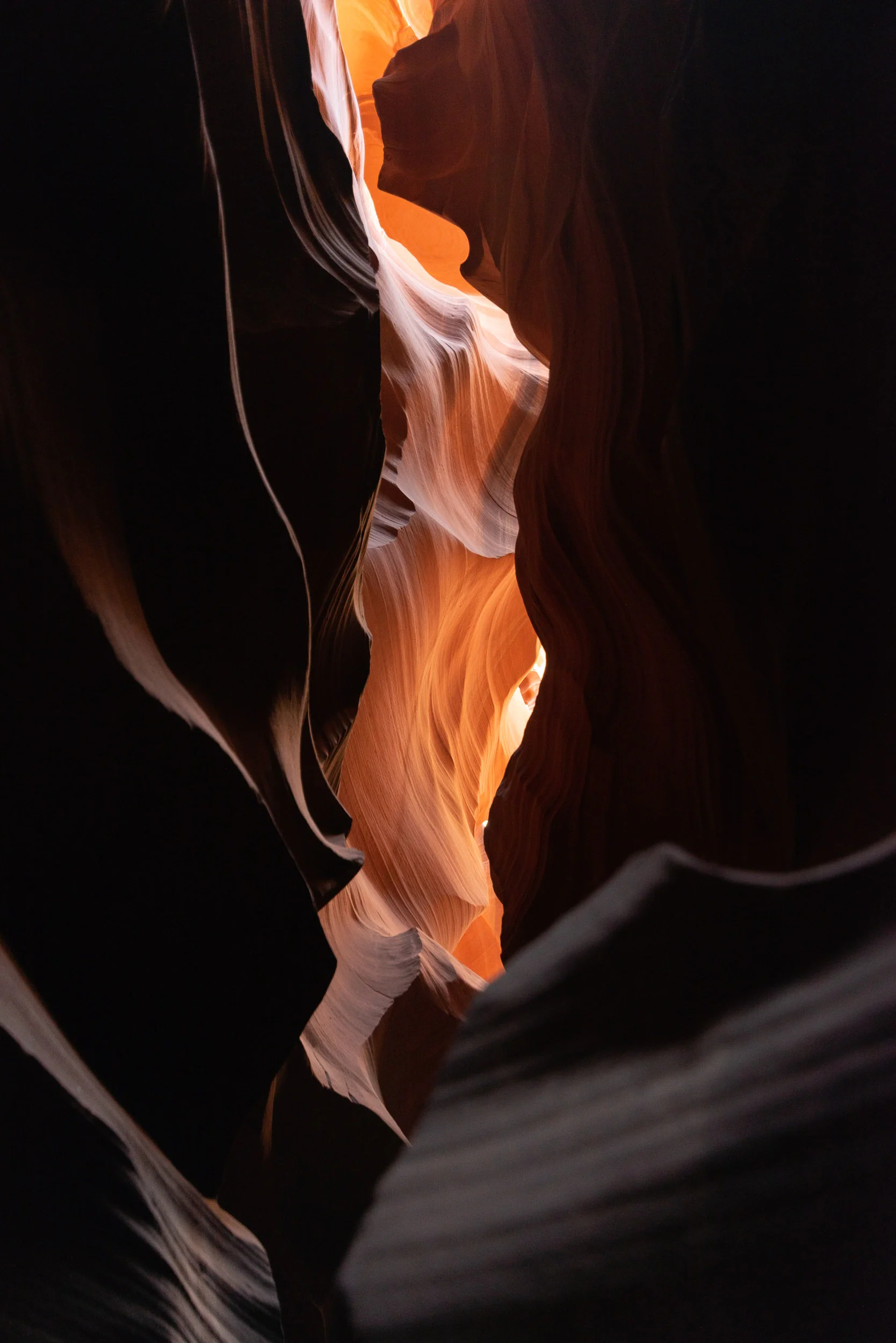
I had one more stop, again in Page, Arizona, as I made my way back. This time, I visited Upper Antelope Canyon. Dwarfed in size by Zion, Upper Antelope Canyon is a small slot canyon in the Navajo reservation that is famous for its smooth, undulating walls and colorful orange stone. It is also known for visible rays of light pouring into the canyon at midday. Since I had to keep driving home after this point, I couldn't stay for that particular sight, but I did make my way through on a tour into the canyon nonetheless.
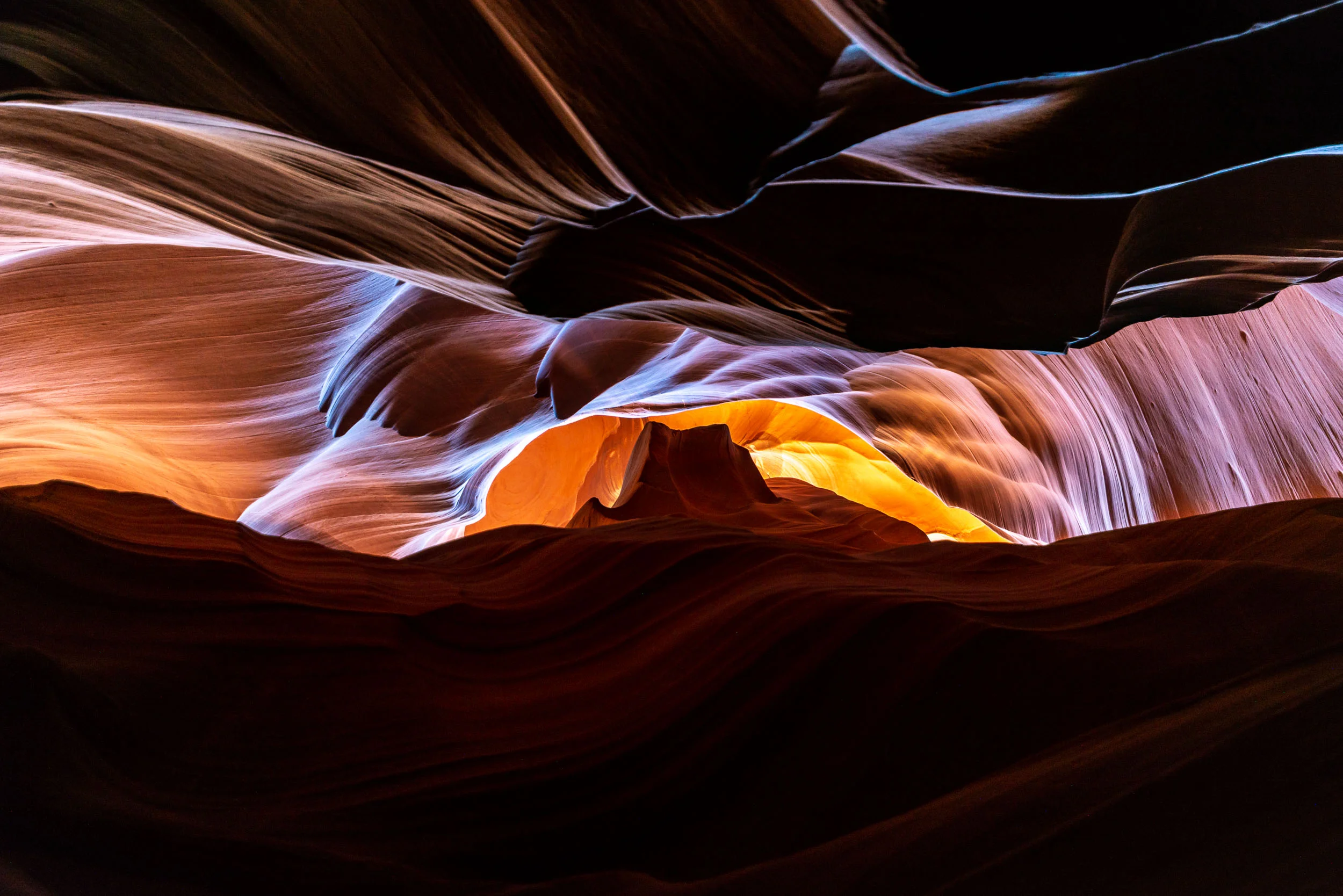
This weekend offered a variety of views and experiences that I will not forget. Time to prepare for more adventures.